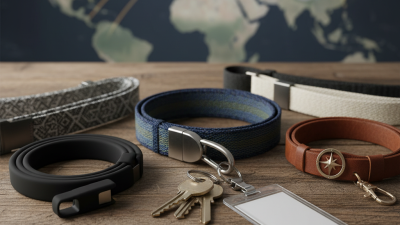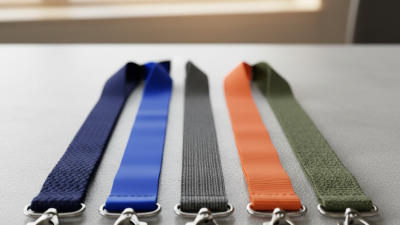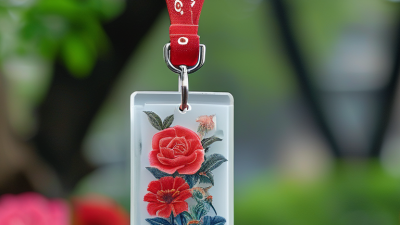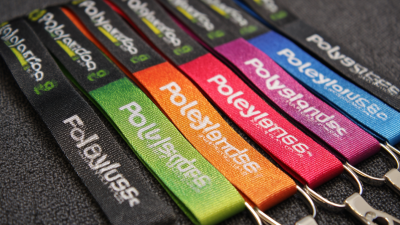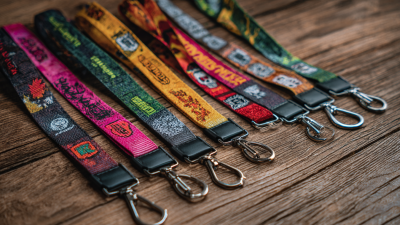
Choosing a Promotional Lanyard for global buyers requires more than selecting a color and adding a logo. The right choice should balance brand visibility, wearer comfort, product quality, and responsible sourcing. A lanyard may travel through airports, conferences, schools, hospitals, and retail events. Each setting creates different expectations. Material matters. Recycled polyester can support sustainability goals, while soft woven fabric may feel better during long events. Width, printing method, clasp type, and breakaway safety features also deserve careful review.
Marketing expert Seth Godin once said, “Marketing is no longer about the stuff that you make, but about the stories you tell.” His point applies directly to promotional accessories. A Promotional Lanyard should communicate a clear story about the brand, not simply display a logo. Buyers should ask suppliers for samples, production details, color references, and quality checks. A sharp image on a screen can hide rough edges or weak stitching. It happens.
Global purchasing also involves practical questions. Can the supplier maintain consistent colors across batches? Is the packaging suitable for international shipping? Are the materials documented clearly? Buyers should consider local product expectations and applicable safety requirements before placing large orders. Certifications can help, but they should be verified rather than accepted at face value. No option is perfect. A low-cost lanyard may reduce the budget but damage the campaign’s credibility. Careful comparison, realistic testing, and honest supplier communication create a more dependable buying decision.
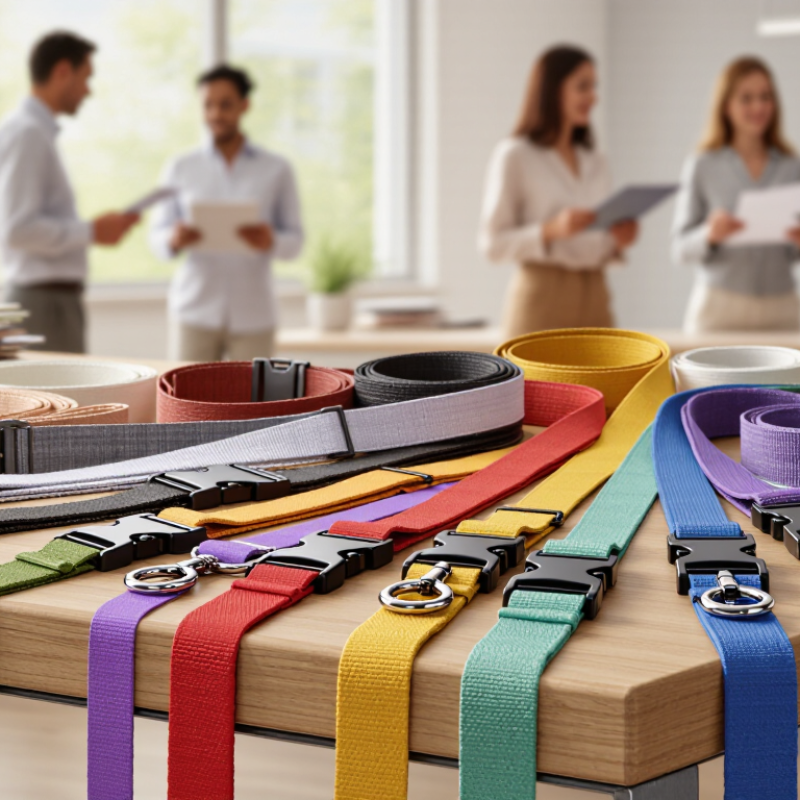
Before choosing a color or fabric, define what the promotional lanyard must achieve. A trade show lanyard may need to display badges clearly and support frequent movement. A hotel conference may require a softer style for all-day comfort. School events need extra attention to age, safety, and easy identification. The purpose shapes every later decision.
Study the audience before approving the artwork. Consider their age, clothing, job role, and expected activity. A wide polyester lanyard suits large printed text and busy exhibition floors. A slimmer recycled-fiber option may feel better at a professional meeting. Check whether attendees will carry cards, keys, or small access holders. The attachment must match that use. A metal hook looks durable, but it may feel heavy after several hours.
Language and color choices also need practical testing. Global audiences may not understand one slogan or symbol in the same way. Use readable text, strong contrast, and enough space for essential information. Ask for samples before ordering. I once preferred a vivid design that looked excellent on screen, but the printed version felt too dark. That mistake was avoidable. Requesting a physical sample is slower, yet more reliable. For crowded venues or younger users, consider a breakaway feature and confirm the specification with the event organizer. A cheap lanyard can create discomfort, waste, or poor visibility. Purpose comes before decoration, even when decoration attracts the first glance.
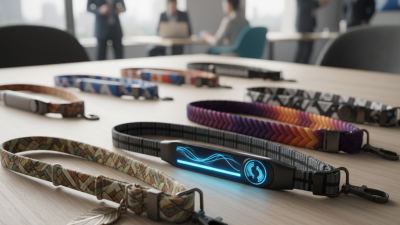
A practical planning table for matching lanyard specifications with campaign purpose, audience, quantity, and market requirements.
| Primary Purpose | Typical Audience | Recommended Lanyard Specifications | Useful Attachment | Suggested Quantity Planning | Typical Production Lead Time | Key Buying Consideration |
|---|---|---|---|---|---|---|
| Trade Show Identification | Exhibitors, booth staff, visitors, sales teams | 15–20 mm width; 45–50 cm drop length; polyester or recycled polyester; one- or two-sided printing; high-contrast artwork | Metal hook or swivel hook; optional badge holder | Order the confirmed headcount plus 5–10% spare units | Approximately 10–20 working days after artwork approval | Prioritize readable text, color consistency, and delivery before booth setup |
| Conference Access Control | Delegates, speakers, organizers, media, contractors | 15–20 mm width; durable woven polyester; color coding by access level; detachable buckle for quick badge removal | Badge holder with clear PVC window; breakaway safety feature where required | Prepare separate quantities for each attendee category and add 3–5% replacement stock | Approximately 15–25 working days for multiple color groups | Confirm badge size, attachment compatibility, and local safety expectations |
| Employee or Visitor Access | Employees, temporary workers, guests, facility visitors | 15–20 mm width; washable polyester; solid or repeating print; optional detachable safety buckle | Badge clip, metal hook, or plastic card holder | Estimate regular users, temporary users, and annual replacements separately | Approximately 10–20 working days for standard designs | Choose comfort, durability, and easy cleaning for frequent daily use |
| Public Awareness Campaign | Community members, volunteers, students, event participants | 10–15 mm width for lighter wear; soft polyester or cotton-feel fabric; short slogan; bright, accessible colors | Lightweight split ring or simple hook | Base the order on expected attendance and add 10% for walk-in participants | Approximately 10–18 working days after final copy approval | Use simple multilingual messaging and check text legibility at normal viewing distance |
| Retail or Product Promotion | Shoppers, loyalty members, promotional campaign participants | 15 mm width; smooth polyester; repeating logo or message area; compact packaging for distribution | Key ring, phone tab, or small plastic connector | Use forecast sales or foot traffic; add 5–10% for replenishment | Approximately 12–22 working days, including packaging preparation | Balance visual appeal, unit cost, packaging volume, and distribution method |
| Sustainability-Focused Promotion | Environmentally conscious consumers, nonprofit participants, corporate event guests | 15–20 mm width; recycled polyester or certified natural-fiber option; water-based or low-impact printing where available | Recyclable metal hook or minimal-plastic attachment | Order according to verified attendance and avoid excessive promotional overstock | Approximately 15–30 working days, depending on material availability | Request material composition, recycled-content documentation, and packaging details |
| Premium Client or VIP Gift | Invited clients, partners, speakers, award recipients | 20 mm width; smooth woven finish; metal components; custom packaging; restrained, high-quality artwork | Swivel hook, detachable buckle, or metal emblem attachment | Plan for the exact guest list plus 5% reserve units | Approximately 20–35 working days, including sampling and packaging | Approve a physical sample before mass production to verify finish and color |
Material choice affects comfort, durability, and environmental expectations. Polyester offers vivid printing and reliable strength for conferences, schools, and staff events. Recycled polyester can support sustainability goals, but buyers should request clear material information. Cotton feels softer, yet it may absorb moisture and lose shape sooner. I have found that a smooth surface matters when lanyards touch skin all day. A beautiful finish is not enough.
Attachments should match the badge and the user’s routine. A metal hook suits identification cards, while a plastic clip reduces weight and noise. Rotating hooks help cards face forward during movement. For children, visitors, or factory environments, add a breakaway safety buckle. It releases under pressure and can reduce choking or snagging risks. Reflective elements may improve visibility in dim workplaces, although they cannot replace proper lighting or protective equipment. I once focused too much on color matching. The attachment later proved uncomfortable.
Tips: Ask about the wearer, setting, and usage time. Test a sample before ordering. Check stitching, clip strength, edge softness, and print clarity. Confirm material details and safety expectations for each destination market. Small differences matter. A recycled option may still disappoint if the strap feels rough or the buckle breaks easily. Keep backup attachments available when event conditions are uncertain.
A promotional lanyard should look like your brand before anyone reads the logo. Color, typography, material, and attachment style must work together. In my event-production experience, crowded designs often lose attention within seconds. A clear logo, strong contrast, and readable type usually perform better. Consider local preferences, too. Bright colors may feel energetic in one market but excessive in another. Formal buyers may prefer woven polyester, while outdoor audiences may value recycled fabric and washable finishes.
Industry data supports this practical approach. The ASI 2023 Ad Impressions Study reported that promotional products generated an average of 3,331 lifetime impressions. It also estimated a cost per impression of about half a cent. These figures show the value of repeated visibility, but exposure alone is not enough. Nielsen’s 2021 Trust in Advertising report found that recommendations from people consumers know remain highly trusted. A lanyard should therefore feel useful, comfortable, and credible, not like forced advertising. Some design choices still need testing. A color that looks excellent on a screen may appear dull under exhibition lighting.
Tips: Create separate mock-ups for each target region. Check logo readability from two meters away. Use a safety release for crowded events. Confirm material claims with supplier documentation. Test clips with real badges, not paper samples. Avoid placing essential text near folds or stitching.
Keep the design practical. A soft edge can prevent neck irritation during long conferences. A wider strap may improve comfort but reduce visual flexibility. Small compromises matter. That's where many “perfect” designs fail.
Match the Design With Your Brand and Target Market
Use regional population share as an initial market-sizing signal, then adapt the lanyard’s colors, symbols, materials, and messaging to local cultural expectations and your brand guidelines. Larger regions may justify broader product customization, while smaller regions can be served with more focused designs.
Population figures are rounded 2024 estimates from the United Nations World Population Prospects 2024.
Quality, compliance, pricing, and customization should guide every lanyard purchase. Inspect the webbing for even edges, firm stitching, and colorfastness. Test the clasp with repeated pulls. A weak buckle can damage an event badge quickly. PPAI’s 2024 Sales Volume Study valued U.S. promotional product sales at approximately $26.6 billion in 2023. This scale shows strong demand, but it also rewards careful supplier checks. Ask for production samples, inspection photos, and measurable specifications, not only attractive catalog images.
Tips: Request material declarations and relevant test reports for each destination market. Requirements may differ for textiles, printed coatings, and metal accessories. Confirm whether the supplier follows a documented quality system, such as ISO 9001. It is not proof of perfect production, though. Review the actual report date and factory scope. For pricing, calculate the landed cost. Include setup fees, sampling, packaging, freight, duties, and possible rework. A cheaper quote may become expensive after delivery.
Customization should match the campaign and the wearer’s comfort. Choose woven labels for fine text, or screen printing for larger graphics. Confirm logo dimensions, color references, attachment type, minimum order quantity, and delivery tolerance in writing. The Global Promotional Products Survey has repeatedly identified customization as a major buyer expectation. Still, too many options can create mistakes. I have seen color approvals fail because buyers checked artwork on different screens. Approve a physical sample when the logo or safety wording matters.
Choosing a promotional lanyard for global distribution starts with supplier comparison, not color selection. Request samples from at least three factories and record each result in one sheet. Check weave density, edge stitching, clasp movement, print sharpness, and odor after unpacking. Ask for material specifications, production capacity, quality procedures, and recent export experience. A low quote may hide weak packaging or unstable lead times. It often does.
I would also request a pre-production sample. It exposes small problems early. Compare suppliers using total landed cost, not unit price alone. Include tooling, sampling, cartons, freight, insurance, and possible rework. Ask how each supplier handles a 10,000-piece order and a sudden repeat order. Confirm minimum quantities, payment stages, inspection points, and replacement terms in writing. A practical scorecard can weigh quality at 35%, delivery at 25%, communication at 20%, and cost at 20%. These numbers are not universal. They simply make assumptions visible. During one planning cycle, we trusted a generous delivery promise and ignored holiday congestion. That mistake tightened our launch schedule.
Build production around destination markets and realistic demand. Separate inventory by attachment type, length, language, or event date when needed. Use strong cartons, moisture protection, and readable outer labels for long-distance handling. Reserve buffer stock for defects and late transport, but avoid excessive inventory. Share a rolling forecast, then release purchase orders in controlled batches. Before shipment, inspect random cartons and count every packed unit. Keep photos, batch records, and approval samples. This evidence supports reliable follow-up when something goes wrong. Global distribution rewards careful coordination, although no plan survives every delay.