Top 10 Benefits of Using Microfiber Towels for Your Daily Needs
In today's fast-paced world, having the right tools for everyday tasks is essential. One such tool that has gained immense popularity is the microfiber towel. Known for its versatility and efficiency, the microfiber towel has transformed the way we approach cleaning, drying, and even personal care. Whether it’s for managing spills in the kitchen, wiping down surfaces, or even drying off after a shower, the microfiber towel proves to be incredibly useful in various aspects of daily life.

As we delve into the top 10 benefits of using microfiber towels, it becomes evident that this simple yet effective product offers more than just convenience. From its eco-friendly properties to its capacity for superior cleaning without scratching surfaces, the microfiber towel stands out among traditional cloths and paper towels. With a thorough understanding of how these benefits can improve our daily routines, we can make informed choices that contribute to a more efficient and sustainable lifestyle. Join us as we explore the numerous advantages that come with incorporating microfiber towels into your everyday needs in our 2025 Top+ series.
How to Choose the Right Microfiber Towel for Your Daily Tasks
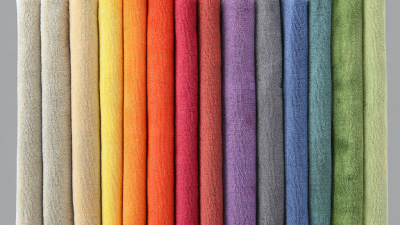
When it comes to choosing the right microfiber towel for your daily tasks, there are several factors to consider. Microfiber towels come in various sizes, colors, and textures, making it crucial to select one that best suits your specific needs. For general cleaning purposes, look for towels with high absorbency and a soft texture to prevent scratches on surfaces. If you plan to use them for drying dishes or hands, a thicker towel may be more effective in quickly soaking up moisture.
Tips: Always check the GSM (grams per square meter) rating, as a higher GSM indicates a denser and more absorbent towel. Additionally, consider the type of weave—tight weaves are excellent for picking up dust and grime, while looser weaves can be better for drying.
It's also important to think about maintenance. Quality microfiber towels can be machine washed and reused multiple times without losing their effectiveness. Avoid using fabric softeners or bleach during washing, as these can damage the fibers. Choosing the right microfiber towel not only simplifies your daily cleaning tasks but also enhances efficiency and sustainability in your routines.
How to Clean Your Home Efficiently Using Microfiber Towels
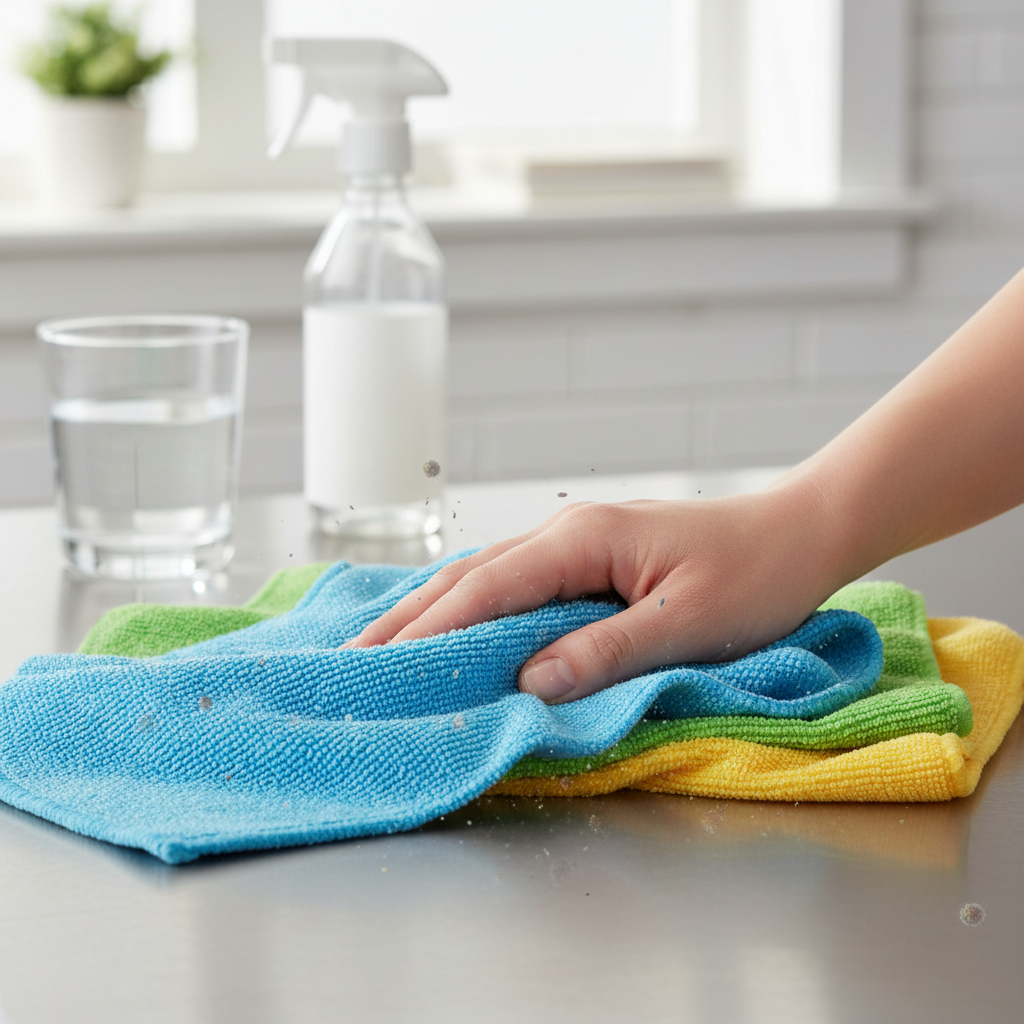
Microfiber towels have become a popular choice for cleaning due to their effectiveness and efficiency. Utilizing these towels can transform your cleaning routine. One of the key advantages is their ability to trap dirt, dust, and microbes, making them ideal for various surfaces around the home. Whether you're wiping down countertops or dusting furniture, microfiber towels require less cleaning solution, which not only saves money but also minimizes chemical use in your cleaning process.
**Tips: When using microfiber towels for cleaning, keep a separate towel for different areas—kitchen, bathroom, and living room—to avoid cross-contamination. Additionally, always use them damp for better results; this helps to grab hold of dirt more effectively. To maintain their longevity, wash them with mild detergent and avoid fabric softeners that can reduce their effectiveness.**
You can also utilize the unique features of microfiber towels to clean windows and mirrors streak-free. A simple technique is to use one dry microfiber towel for dusting away any loose particles and a damp one to wipe down surfaces. This two-step process not only ensures cleanliness but also enhances the shine, giving your glass surfaces a crystal-clear appearance.
How to Use Microfiber Towels for Effective Skincare Routines
When it comes to effective skincare routines, the use of microfiber towels can significantly enhance the overall experience and results. Microfiber cloths, made from incredibly fine synthetic fibers, are highly absorbent and gentle on the skin, making them ideal for drying the face after cleansing or applying toner. According to a recent report by the International Journal of Cosmetic Science, microfiber towels can reduce moisture evaporation from the skin by up to 50%, which aids in retaining hydration and improves the effectiveness of skincare products.
To use microfiber towels effectively, start by dampening the cloth with warm water. This temperature helps to open up pores and allows for better cleansing. After gently cleansing the skin, use a microfiber towel to pat your face dry instead of rubbing, which can cause irritation. Furthermore, microfiber towels can be used to remove masks or excess product; their soft texture ensures that the skin remains undisturbed. A study published in the Journal of Dermatological Treatment indicated that using microfiber fabrics can lead to a 30% reduction in skin irritation compared to traditional cotton towels, making them a superior choice for sensitive skin types.
How to Maintain and Care for Microfiber Towels to Extend Their Lifespan
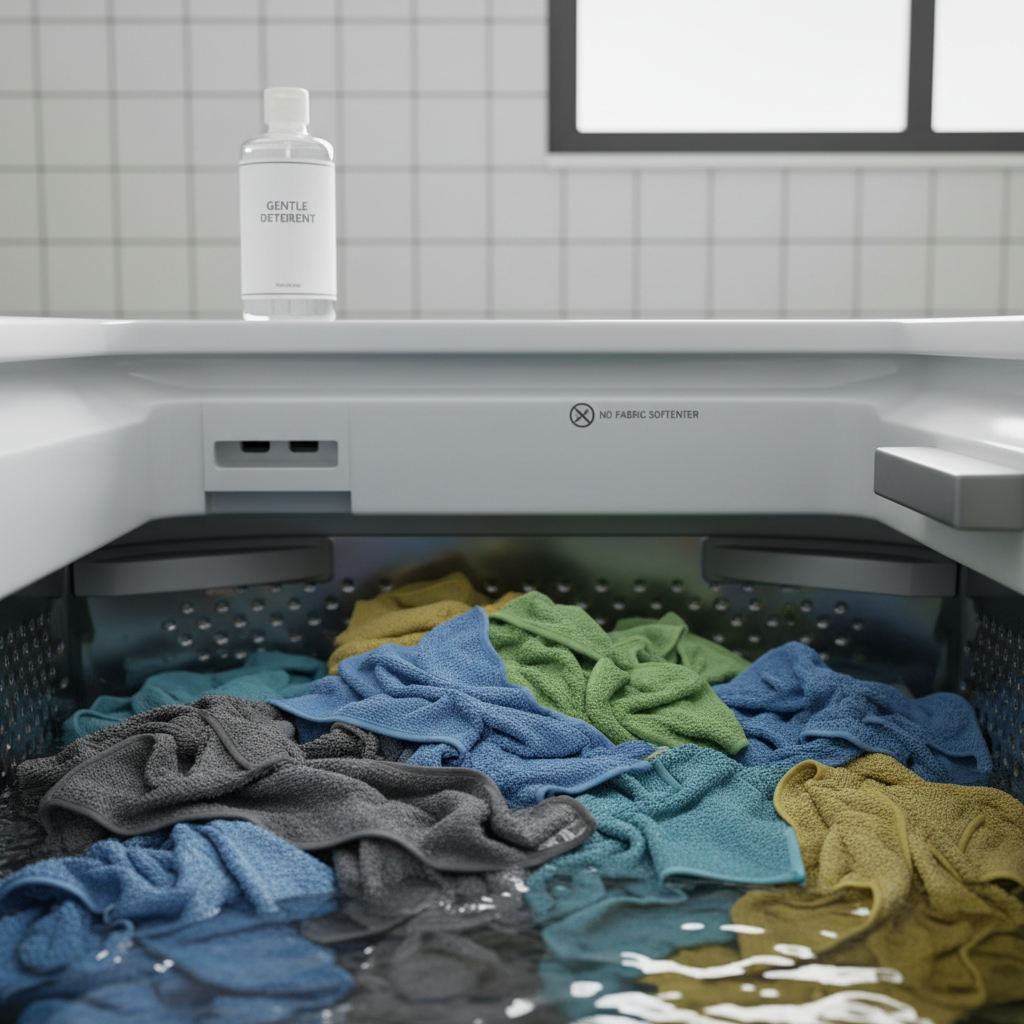
To maintain and care for your microfiber towels effectively, start by washing them separately from other fabrics. This prevents lint from cotton fabrics from clinging to the microfiber, ensuring optimal performance. Use a gentle detergent, avoiding fabric softeners, which can clog the fibers and reduce their absorbency. Washing at a cool temperature is ideal, as hot water can damage the microfiber material over time.
After washing, air-dry the towels or use a low-heat setting in the dryer. High heat can melt the fibers, diminishing the towel's effectiveness. Additionally, avoid using dryer sheets, as they introduce chemicals that can affect the towel’s performance. Storing your microfiber towels in a clean, dry place will help maintain their quality. With proper care, you can extend the lifespan of your microfiber towels, ensuring they remain an essential tool for your daily cleaning and drying needs.
How to Enhance Your Cleaning Routine with Microfiber Towels for Maximum Results
Microfiber towels have revolutionized the way we approach cleaning, offering a unique combination of efficiency and effectiveness. To enhance your cleaning routine, start by selecting the appropriate microfiber towel for different tasks. For instance, use a plush microfiber towel for cleaning windows to avoid streaks, while a more textured option works well for scrubbing surfaces. This method ensures maximum dirt and grime removal while minimizing damage to delicate surfaces.
Incorporating proper techniques when using microfiber towels can significantly improve results. Always dampen the towel slightly before use, as this increases its ability to attract and trap dust particles. Additionally, adopting a circular motion while cleaning helps cover more area and ensures thorough cleaning. Regularly wash and maintain your microfiber towels to retain their efficacy; avoid using fabric softeners, as they can clog the fibers and reduce absorbency. By integrating these practices into your routine, you can achieve sparkling clean surfaces effortlessly, making microfiber towels an invaluable tool in your daily cleaning arsenal.