Get Instant Quote
Leave Your Message

What Is a Microfiber Towel Used For?

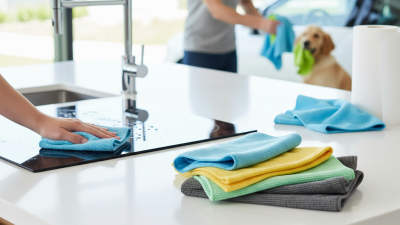
A Microfiber Towel is designed to lift and hold water, dust, and small particles with its fine synthetic fibers. You might use one to dry a car after washing, wipe a kitchen counter, clean glasses, or absorb a spill from a tiled floor. The fabric often feels soft, but its performance depends on fiber quality, weave, and care. Not every towel works equally well on every surface.

In this guide, we’ll look at what a Microfiber Towel is used for and how its different textures suit different jobs. A plush towel can help dry paintwork, while a flatter weave may leave fewer streaks on glass. In a bathroom, it can pick up moisture around a tap without leaving a bulky cloth behind. Small details matter. A towel that has trapped grit can scratch delicate finishes, so shake it out and wash it separately from lint-producing fabrics. Follow the care label, too; fabric softener may reduce absorbency for some microfiber products.

There is a practical catch. Microfiber is useful, not magical, and one cloth should not move from a greasy stovetop to a phone screen. Keep separate towels for distinct tasks, and replace them when fibers wear down or odors remain after washing. I’ve found that simple habits often matter more than buying a larger set. Still, the right choice can make routine cleaning quicker and less wasteful.
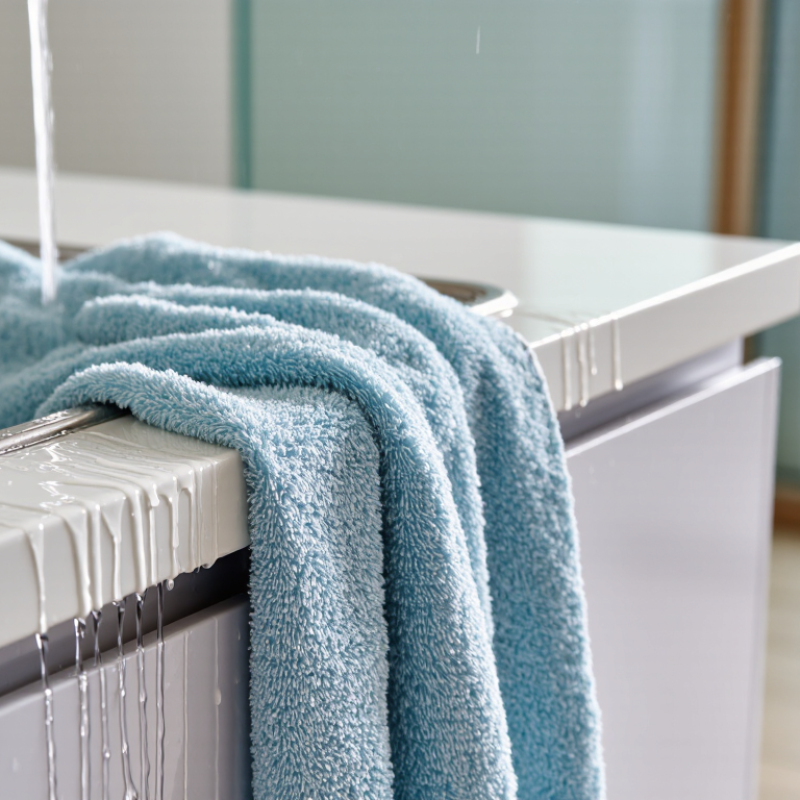
What Is a Microfiber Towel Used For?

Defining Microfiber Towels: Fibers Finer Than 1 Denier

A microfiber towel is defined by the fineness of its fibers: each strand is finer than one denier. Denier measures fiber mass; one denier equals one gram per 9,000 meters. Put another way, a single strand is extremely light. The term describes fiber size, not one exact fabric recipe.

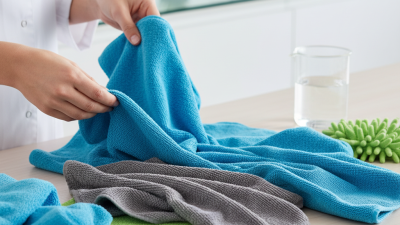
Most microfiber towels use polyester and polyamide, woven or knitted into a dense surface. Some fibers are split into finer segments, creating tiny spaces that can draw in water and hold dust. This structure helps explain why a small towel can absorb spills from a kitchen counter or lift grit from a car dashboard. It is not magic.

Fiber fineness alone does not guarantee performance. The weave, fabric weight, and finishing also matter, and labels may not explain these details clearly. A towel that feels soft may still leave lint on glass, especially when new. Wash it before use, and avoid fabric softener, which can coat fibers and reduce absorbency. I still find the “finer than one denier” definition useful, but it cannot tell you exactly how a towel will behave.
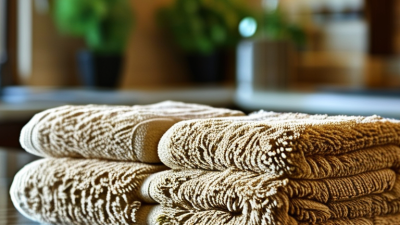
What Is a Microfiber Towel Used For? — Defining Microfiber Towels: Fibers Finer Than 1 Denier

Topic Description Common Use or Practical Note
Fiber definition Microfiber is made from very fine fibers, conventionally defined as fibers finer than 1 denier per filament. Denier measures the mass in grams of 9,000 meters of fiber. The term describes fiber fineness; it does not by itself specify a towel’s size, weave, or absorbency.
Typical materials Many microfiber towels use polyester and polyamide (nylon), sometimes in a blended construction. The fiber blend and towel construction affect feel, drying behavior, and performance.
Cleaning surfaces Fine fibers provide a large surface area and can pick up dust and oily residue when used appropriately. Used for household cleaning, such as wiping counters, appliances, and other washable hard surfaces.
Glass and mirrors A clean, lint-free microfiber cloth can help remove smudges and dry glass with fewer visible streaks. Use a separate clean cloth and follow the glass or surface manufacturer’s care instructions.
Drying and spill pickup Many microfiber towel constructions absorb water and can be wrung out and reused during a cleaning task. Suitable for drying hands, wiping up small spills, or drying cleaned surfaces; capacity varies by towel size and construction.
Automotive care Soft microfiber towels are commonly used for washing, drying, and interior cleaning of vehicles. Keep towels free of grit and separate them by task to reduce the chance of scratching delicate finishes.
Electronics and delicate surfaces A clean, soft microfiber cloth can be used to remove light dust and fingerprints from some screens and delicate surfaces. Check the device instructions first; avoid excess moisture and abrasive particles.
Care and laundering Wash according to the towel’s care label. Fabric softener and dryer sheets can leave residues that reduce the towel’s ability to pick up moisture and debris. Wash separately from lint-producing fabrics when practical, and avoid high heat unless the care label allows it.
Material consideration Most microfiber is synthetic, and washing synthetic textiles can release small plastic fibers into wastewater. Use towels for as long as practical and follow local guidance for washing and textile disposal.

How 80/20 Polyester–Polyamide Blends Improve Cleaning

What Is a Microfiber Towel Used For?

How 80/20 Polyester–Polyamide Blends Improve Cleaning

A microfiber towel is used for drying, dusting, polishing, and removing spills. Its tightly split fibers create more contact with a surface than ordinary cotton loops. In an 80/20 blend, polyester supplies strength and quick drying. Polyamide adds softness, flexibility, and better liquid absorption. This balance suits glass, stainless steel, painted surfaces, and household fixtures.

The fine fibers can pull dust and moisture into their structure. They do not merely push dirt across a counter. When cleaning a mirror, I use a lightly damp towel, then turn it to a dry side. This reduces streaks and leaves fewer loose fibers behind.

On a kitchen surface, the towel grips small crumbs and oily marks with gentle pressure. Heavy scrubbing is often unnecessary.

The blend is useful, not magical. A saturated towel can spread grime instead of collecting it. I have also found that one towel rarely performs every task perfectly. Glass needs a cleaner weave, while rough surfaces may require a thicker pile. Wash microfiber separately from cotton, because lint can cling to its fibers. Use moderate detergent and skip fabric softener, which can coat the fibers and weaken absorption. Air drying is safer than high heat, although I sometimes choose a low setting when time matters. Even then, the towel may lose some softness over time.

How Split Fibers Trap Dust and Absorb Water

What Is a Microfiber Towel Used For?

A microfiber towel uses split fibers to trap dust and absorb water. Each fiber is much finer than cotton, creating tiny channels between strands. These channels pull moisture inward through capillary action. The towel feels almost dry, yet it can hold a surprising amount of water. In daily cleaning, I use one damp towel for glass and a separate dry towel for polishing. The split edges also catch fine dust instead of pushing it across a surface. That difference is easy to notice on black furniture.

A peer-reviewed hospital-cleaning study reported that microfiber materials removed substantially more microbes and soil than conventional cotton cloths under tested conditions. Results still depend on laundering, surface contact, and contamination. One careless wash can reduce performance. Textile Exchange’s 2024 Materials Market Report states that polyester made up about 57% of global fiber production in 2023. Many microfiber towels use polyester blends, so durability comes with a maintenance concern. The International Union for Conservation of Nature estimated that textile washing contributes about 35% of primary microplastic releases to oceans. A laundry bag and lower-friction washing may help, but neither is perfect. Avoid fabric softener, which can coat the fibers and block their tiny channels. Rinse thoroughly and dry completely before storage. The towel is powerful, not magical.

Common Uses Across Household, Automotive, and Personal Care

A microfiber towel is a practical tool for household cleaning, car care, and personal care. Its fine fibers collect dust, oils, and small water droplets more effectively than many ordinary cotton cloths. At home, I use one on glass, kitchen counters, stainless steel, mirrors, and bathroom fixtures. A slightly damp towel usually removes fingerprints without leaving much lint. For delicate surfaces, use light pressure. Too much rubbing can spread grit and create fine scratches, especially on glossy furniture.

In automotive care, microfiber towels help dry paintwork, wipe dashboards, clean windows, and remove polishing residue. Use separate towels for wheels and painted surfaces. Brake dust and road grit can damage a finish when transferred carelessly. In personal care, a soft microfiber towel can gently dry hair or remove makeup and facial cleanser. It feels comfortable, but sensitive skin may still react to rough stitching or trapped detergent. I once reused a towel without checking it, and the leftover grit caused irritation. That small mistake changed my routine.

Tips: Wash microfiber towels separately from cotton items. Avoid fabric softener, which can coat the fibers and reduce absorbency. Use mild detergent and a low-heat or air-drying method. Inspect each towel before use. If it feels greasy, stiff, or gritty, wash it again or retire it from delicate jobs. Microfiber is useful, not invincible.

Choosing Towel Weight: Typical Products Range from 200–400 GSM

Microfiber towels are used for drying cars, polishing glass, wiping electronics, and cleaning kitchen surfaces. Their tightly split fibers collect fine dust and hold water efficiently. Towel weight matters because GSM means grams per square meter. A higher GSM usually feels fuller and absorbs more moisture, but it may dry more slowly.

Typical microfiber products range from 200 to 400 GSM. Around 200 GSM feels light and dries quickly. It suits windows, screens, and routine dusting. Towels near 300 GSM offer a useful balance for kitchens and vehicles. At 400 GSM, the fabric feels softer and thicker. It works well for drying, but edges and stitching can trap debris. ASTM D3776 is commonly used to measure textile fabric mass. Textile Exchange reported that polyester represented about 59% of global fiber production in 2023. That matters because many microfiber towels use polyester blends for strength and quick drying.

Tips: Choose 200–250 GSM for glass and daily wiping. Try 300–400 GSM for moisture-heavy tasks. Check the weave, not GSM alone. A dense towel can outperform a heavier, loose towel. Wash microfiber separately, without fabric softener, because residue can reduce absorbency. I still find GSM imperfect. It does not reveal fiber quality, weave design, or edge construction. A towel that feels luxurious may leave lint after repeated washing. Test one corner first.